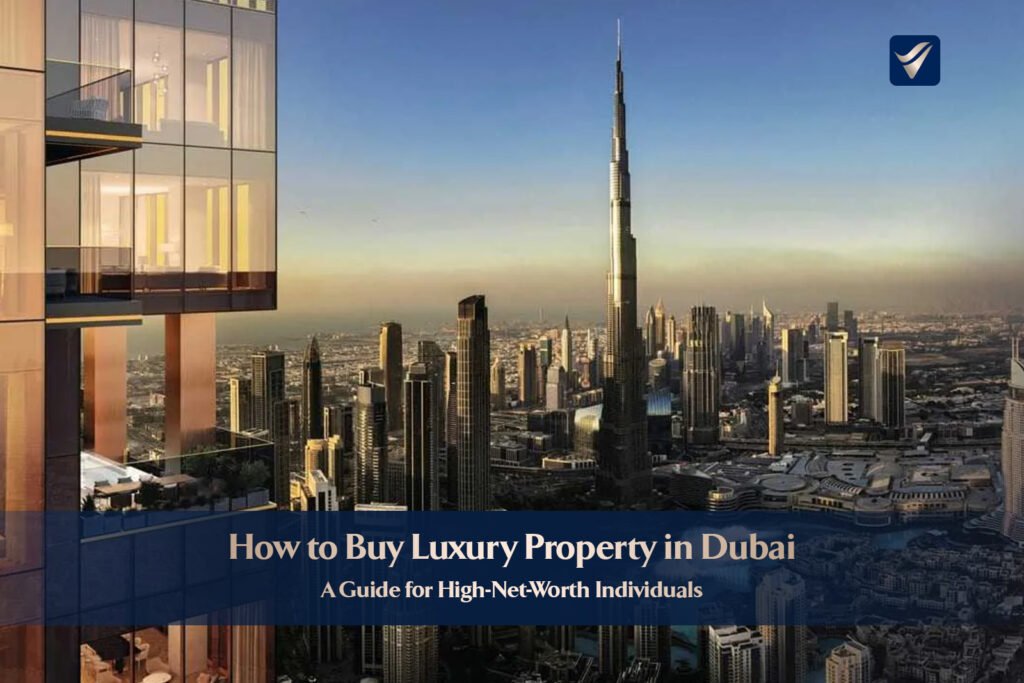
Why Dubai Is a Global Hub for Luxury Property
Dubai has become one of the world’s top destinations for luxury real estate. High-net-worth individuals from many countries choose the city for both lifestyle and investment. If you want to know how to buy luxury property in Dubai, this guide will help you understand the process, the top areas, and the key things to check before you invest.
Dubai’s appeal is clear. The city offers safety, global connectivity, strong infrastructure, and a tax-friendly environment. It also has a wide selection of premium homes, from waterfront villas and branded residences to penthouses with skyline views. For many buyers, luxury property in Dubai is not just about owning a home. It is about securing lifestyle, prestige, and long-term value.
Over the past few years, Dubai has seen strong demand for high-end homes. Areas such as Palm Jumeirah, Emirates Hills, and Downtown Dubai have recorded major sales and steady investor interest. That is why many global buyers now see Dubai as a serious market for wealth preservation and capital growth.
In this guide, you will learn how the luxury market works, which areas stand out, how foreigners can buy, and what steps are involved in the legal process. By the end, you will have a clearer view of how to buy luxury property in Dubai in a smart and secure way.
Understanding the Dubai Luxury Real Estate Market
Dubai’s luxury property market is different from many other cities. It combines strong demand, modern design, and global brand appeal.
Luxury homes in Dubai are usually defined by four things:
- location
- design
- space
- amenities
A luxury property may be a beachfront villa, a branded apartment, or a penthouse in a prime tower. These homes often include private pools, security systems, panoramic views, spa facilities, concierge service, and access to premium leisure spaces.
The market also offers a wide range of options. Buyers can choose from:
- luxury villas
- penthouses
- branded residences
- mansions
- duplex apartments
This variety makes Dubai attractive to a wide range of wealthy buyers. Some want a main residence. Others want a holiday home. Many want a strong investment that also holds lifestyle value.
Dubai’s luxury market has also remained active due to growing global demand. Wealthy buyers continue to move capital into cities that offer stability, legal clarity, and quality of life. Dubai now checks all three boxes.
What Counts as Luxury Property in Dubai?
Luxury property in Dubai is not only about price. It is also about quality, exclusivity, and location.
A property is often considered luxury if it offers:
- a prime address
- large internal space
- private outdoor areas
- high-end finishes
- smart home features
- premium services
In Dubai, some of the most desirable luxury homes include:
- beachfront villas on Palm Jumeirah
- golf-course mansions in Emirates Hills
- branded residences in Downtown Dubai
- waterfront homes on Jumeirah Bay Island
- high-rise penthouses in Dubai Marina
Buyers in this market usually want more than a beautiful property. They also want privacy, security, convenience, and long-term brand value.
Why High-Net-Worth Buyers Choose Dubai
Dubai has become a preferred destination for wealthy buyers for many reasons.
1. Strong Lifestyle Appeal
Dubai offers world-class restaurants, luxury retail, beaches, golf courses, private clubs, and premium hospitality. This gives buyers a lifestyle that feels both international and exclusive.
2. Investor-Friendly Environment
The city has clear property laws and a well-regulated market. This gives confidence to international buyers.
3. Global Connectivity
Dubai is connected to the rest of the world through major airlines and airports. This makes it easy for global owners to travel in and out.
4. Tax Advantages
Dubai does not apply an annual property tax in the way many other global markets do. This can make ownership more attractive for wealthy buyers.
5. Long-Term Value
Many high-net-worth individuals buy in Dubai not just for enjoyment, but also for capital growth, rental return, and long-term asset protection.
Best Areas to Buy Luxury Property in Dubai
Location is one of the most important parts of any luxury property purchase. Dubai offers several top-tier areas, each with a different appeal.
Palm Jumeirah
Palm Jumeirah is one of the most famous luxury addresses in Dubai. It is known for beachfront villas, branded residences, and premium sea-view apartments.
Buyers choose Palm Jumeirah for:
- private beach access
- iconic address value
- luxury hospitality nearby
- strong global demand
For many buyers, this is the ultimate lifestyle location.
Emirates Hills
Emirates Hills is often called one of the most exclusive villa communities in Dubai. It offers large mansions, golf course views, and strong privacy.
This area appeals to buyers who want:
- large plots
- private living
- family space
- long-term prestige
Downtown Dubai
Downtown Dubai is known for its central location and premium high-rise living. It attracts buyers who want luxury apartments, branded homes, and a strong city lifestyle.
This area offers:
- access to the Dubai Mall
- Burj Khalifa views
- strong rental demand
- international recognition
Dubai Marina
Dubai Marina combines waterfront living with urban energy. It is popular among buyers seeking penthouses, designer apartments, and a vibrant social scene.
Jumeirah Bay Island
Jumeirah Bay Island has become one of the city’s top ultra-prime locations. It offers limited, high-value homes with strong exclusivity and privacy.
District One
District One is known for luxury villas, lagoon views, and strong design quality. It appeals to buyers who want newer luxury communities with a low-density feel.
Can Foreigners Buy Luxury Property in Dubai?
Yes, foreigners can buy luxury property in Dubai.
International buyers can purchase homes in designated freehold areas. These include many of Dubai’s top luxury districts, such as Palm Jumeirah, Downtown Dubai, and Dubai Marina.
This means foreign buyers can:
- own the property outright
- sell it later
- lease it out
- pass it on to heirs
This is one of the main reasons Dubai attracts high-net-worth investors from around the world.
Types of Luxury Properties Available in Dubai
Dubai offers many forms of luxury real estate. The right choice depends on your goals, lifestyle, and investment strategy.
Branded Residences
Branded residences are one of the strongest luxury trends in Dubai. These are homes linked to famous global hotel or design brands.
Examples include homes linked with:
- Armani
- Four Seasons
- Bulgari
- Ritz-Carlton
These properties often offer:
- hotel-style service
- premium design
- concierge support
- strong brand prestige
They are popular with buyers who want ease, service, and strong resale appeal.
Ultra-Luxury Villas
Luxury villas are ideal for buyers who want:
- privacy
- outdoor space
- family living
- premium entertaining areas
These homes often include private pools, gardens, gyms, cinemas, and direct beach or golf access.
Penthouses
Penthouses in Dubai offer skyline views, large layouts, and premium interiors. They appeal to buyers who want luxury in a central location.
Mansions
Custom mansions in ultra-prime communities attract buyers looking for total exclusivity and the ability to personalise their living space.
Branded vs Non-Branded Luxury Property
This is a common question in the Dubai luxury market.
Branded Residences
These usually offer:
- higher prestige
- five-star service
- strong rental demand
- easier management
They often come at a higher price, but many buyers accept the premium for the convenience and brand value.
Non-Branded Properties
These may offer:
- more design freedom
- larger plots
- better privacy
- more customisation
The right choice depends on what matters more to you: service and brand, or control and personal space.
Step-by-Step Guide: How to Buy Luxury Property in Dubai
If you want to know how to buy luxury property in Dubai, the process becomes easier when you break it into steps.
1. Define Your Goal
Start by deciding why you are buying.
Is it for:
- personal use?
- investment?
- rental yield?
- long-term residency?
Your goal will shape your property type and location.
2. Work With a Luxury Property Specialist
Luxury transactions require specialist support. Work with an experienced real estate professional who understands the ultra-prime market.
This can help you access:
- better listings
- off-market opportunities
- area insights
- legal guidance
3. Shortlist Properties and Areas
Choose your target areas and property type. Compare homes based on design, views, privacy, service, and long-term potential.
4. Schedule Viewings
Visit the property in person if possible. If you are overseas, use trusted virtual tours and professional guidance.
5. Conduct Due Diligence
Check the title, ownership, developer record, service charges, and legal status of the property.
This step is essential in any high-value purchase.
6. Sign the Agreement
Once terms are agreed, the next step is usually to sign the Memorandum of Understanding and pay the deposit.
7. Secure the No Objection Certificate
If required, the developer issues the NOC before the transfer can move forward.
8. Register the Transfer
The property transfer is then completed through the Dubai Land Department. Once registration is done, ownership is officially recorded.
Costs Involved in Buying Luxury Property
When buying luxury property in Dubai, you need to budget for more than the sale price.
Common costs include:
- Dubai Land Department fee – usually 4%
- agency commission – often around 2% plus VAT
- NOC fee
- trustee office fee
- legal or admin costs
- mortgage fees if finance is used
It is important to calculate the full acquisition cost before you commit.
Golden Visa Through Luxury Property Purchase
One major benefit of buying luxury real estate in Dubai is the potential for long-term residency.
In many cases, buyers who invest at or above the qualifying level may be eligible for a Golden Visa.
This offers several benefits, including:
- long-term UAE residency
- flexibility for family planning
- easier long-term presence in Dubai
This is a major advantage for wealthy buyers who want both asset ownership and lifestyle security.
Special Considerations for High-Net-Worth Individuals
Luxury buyers often face a few extra layers of planning.
Buying as a Foreigner
Dubai allows foreign ownership in freehold areas, but buyers should still review all documents carefully. High-value deals should always include proper legal support.
Buying Through a Company
Some HNWIs choose to buy through a free zone company or offshore entity. This may help with:
- asset protection
- privacy
- estate planning
- succession planning
This needs expert advice, especially for international buyers.
Inheritance and Succession
Buyers with significant assets in Dubai should also think about long-term inheritance planning. A clear legal structure can make future wealth transfer smoother.
Family Office or Wealth Manager Support
Some buyers use family offices or wealth managers to handle due diligence, legal oversight, and property management. This can save time and improve decision-making.
Investment Strategies for Luxury Dubai Property
Luxury property can support different strategies.
Capital Appreciation
Some buyers choose prime villas or rare branded homes because of their long-term price growth potential.
Rental Yield
Other buyers focus on rental return. Luxury apartments and branded residences in prime locations can attract high-income tenants.
Short-Term Let Strategy
In some areas, short-term luxury rentals may offer stronger returns, especially if the property is well managed and well located.
Portfolio Diversification
Many wealthy buyers do not buy just one property. They build a portfolio across different locations and asset types to balance yield and appreciation.
Why Branded Residences Are So Popular
Branded residences deserve extra attention because they have become one of Dubai’s strongest luxury categories.
They appeal to HNWIs because they combine:
- brand prestige
- luxury service
- high-quality design
- strong global recognition
In many cases, these homes also hold value well and remain in demand among elite tenants and global buyers.
That is why branded residences continue to be a major part of Dubai’s luxury market story.
If you want to understand how to buy luxury property in Dubai, the key is to combine lifestyle thinking with smart planning. Dubai offers some of the world’s most attractive high-end real estate options. It also provides a market supported by strong infrastructure, investor-friendly laws, and long-term global demand.
This guide has covered the key areas you need to understand. These include the best luxury locations, property types, legal process, ownership rules, costs, and special considerations for high-net-worth individuals.
The most important step is to stay strategic. Choose the right location. Understand the property type. Work with trusted experts. And make sure every part of the purchase is reviewed properly.
With the right approach, luxury property in Dubai can offer much more than a prestigious address. It can become a strong long-term asset and a meaningful part of your wealth strategy.
Frequently Asked Questions
Where should I buy a luxury property in Dubai?
Top areas include Palm Jumeirah, Emirates Hills, Downtown Dubai, Dubai Marina, Jumeirah Bay Island, and District One.
Can foreigners buy luxury villas in Dubai?
Yes. Foreigners can buy luxury villas and apartments in designated freehold areas.
What are branded residences?
Branded residences are luxury homes linked to major global hotel or lifestyle brands. They often include hotel-style services and premium management.
Can a luxury property help with Golden Visa eligibility?
In many cases, yes. Buyers may qualify for long-term residency depending on the value and type of investment.
What is the legal process to buy a luxury property in Dubai?
The process usually includes selecting a property, signing the agreement, paying the deposit, securing the NOC, and completing the transfer through the Dubai Land Department.
Can companies buy property in Dubai free zones?
In some cases, yes. Some free zones allow company ownership, but buyers should always check the latest legal rules.
Are free zones freehold?
Many leading free zones offer freehold property options, but the status should always be confirmed for the specific property.
What are the main buying costs?
Common costs include DLD fees, agent commission, NOC charges, trustee fees, and possible legal or finance-related costs.
